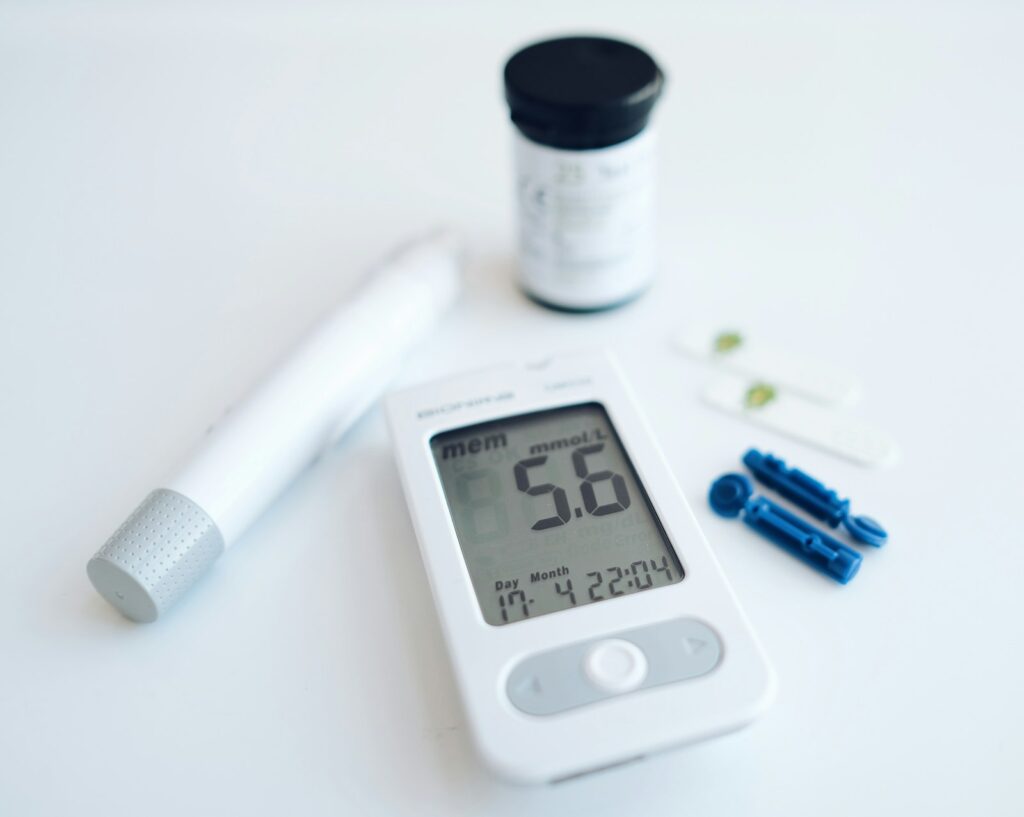
November is American Diabetes Month, and it’s a good time to talk about a connection many people never hear about from their doctor: diabetes and gum disease. If you or someone in your family checks blood sugar every day, your mouth deserves a spot on the care plan too.
How Diabetes and Gum Disease Are Connected
The link goes both ways. When blood sugar runs high, there’s more sugar in your saliva, which feeds the bacteria that cause plaque. High blood sugar also makes it harder for your body to fight infection, so inflamed gums don’t heal as well. On the other side, an ongoing gum infection can make blood sugar harder to control. According to the National Institute of Dental and Craniofacial Research, people with diabetes are more likely to develop serious gum disease. Treating it may even help some patients with their blood sugar numbers.
Warning Signs to Watch For
Gum disease usually doesn’t hurt in the early stages, so it’s easy to miss. Call us if you notice:
- Gums that bleed when you brush or floss
- Red, puffy, or tender gums
- Bad breath that won’t go away
- Gums pulling back from your teeth
- Loose teeth or a change in your bite
- A dry mouth or sores that are slow to heal
You can read more about the early signs of gum disease on our blog.
Daily Habits That Protect Your Gums
Good blood sugar control is the best thing you can do for your mouth. Beyond that, brush twice a day with fluoride toothpaste and clean between your teeth once a day with floss or a water flosser. Drink water often, especially if your mouth feels dry, and choose sugar-free gum if you need something between meals. If you wear dentures, take them out at night and keep them clean to prevent fungal infections.
Why Regular Dental Visits Matter With Diabetes
Many people with diabetes do best with cleanings every three to four months instead of twice a year. Tell us about your diagnosis, your medications, and your latest A1C so we can plan your care safely. If you take a GLP-1 medication, you may also want to read about how these drugs can affect your teeth. When gum disease is already present, a deep cleaning (scaling and root planing) can remove buildup below the gumline and give your gums a chance to heal.
Can Treating Gum Disease Help With Diabetes?
It can be part of the picture. Gum infection keeps your body in a low level of inflammation, and that inflammation can make insulin work less well. Clearing up the infection won’t replace your medication, but it removes one thing working against you. Many of our patients with diabetes tell us their gums feel better within a few weeks of a deep cleaning and a steady home routine.
Gum Care for Columbus Families
Diabetes is common in Bartholomew County, and so are busy schedules. We try to make visits simple to fit around work shifts and family life. Olive Branch Dental on W Jonathan Moore Pike sees patients from Columbus, Edinburgh, Seymour, and Hope. Call (812) 516-5777 or book online to schedule a gum health check this month.