The words “root canal” make many people nervous, but modern root canal therapy is a comfortable, routine procedure that relieves pain and saves natural teeth. The real problem is waiting too long to get help. At Olive Branch Dental Columbus, we want patients to recognize the warning signs early, when treatment is simpler and the tooth has the best chance of lasting a lifetime.
What Is a Root Canal?
Inside every tooth is a soft core called the pulp, which contains nerves and blood vessels. When deep decay, a crack, or an injury allows bacteria to reach the pulp, it can become inflamed or infected. During a root canal, the dentist removes the damaged pulp, cleans and disinfects the inside of the tooth, and seals it. Most teeth then receive a crown for strength.
Warning Signs to Watch For
1. Persistent Tooth Pain
Pain that lingers, throbs, or keeps coming back, especially pain that wakes you at night, can signal a problem inside the tooth.
2. Lingering Sensitivity to Hot or Cold
A quick twinge from ice cream is common. Sensitivity that lasts more than a few seconds after the hot or cold is gone is a red flag for pulp inflammation.
3. Pain When Chewing or Biting
Discomfort when you bite down or touch the tooth may mean infection has spread to the tissues around the root, or that the tooth is cracked.
4. Swollen or Tender Gums
Swelling near a specific tooth, tenderness, or a feeling of pressure can indicate an infection that needs attention.
5. A Pimple on the Gums
A small bump on the gum that drains pus or leaves a bad taste is called a fistula. It is a sign of an abscess, even if the pain has eased.
6. Darkening of the Tooth
A tooth that turns gray or darker than its neighbors may have a damaged or dying nerve, often after an old injury.
7. A Chipped or Cracked Tooth
Cracks give bacteria a pathway to the pulp. Even if a damaged tooth does not hurt right away, it should be checked.
Why You Should Not Wait
An infected tooth will not heal on its own. Sometimes pain fades because the nerve has died, but the infection can continue to spread into the bone. Delaying care can lead to an abscess, facial swelling, and in some cases loss of the tooth. Antibiotics may help with swelling, but they cannot remove the source of the infection.
What to Expect During Treatment
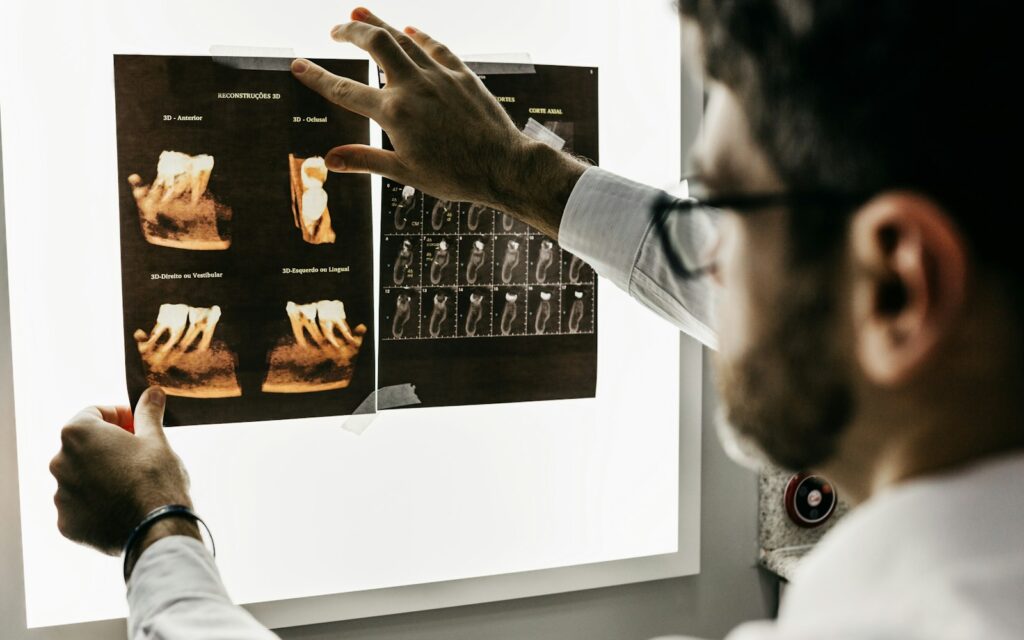
We begin with an exam and digital X-rays to confirm the diagnosis. The area is thoroughly numbed so you stay comfortable. Most root canals are completed in one or two visits and feel similar to getting a filling. Mild soreness for a few days is normal and usually managed with over-the-counter pain relievers. We then restore the tooth with a crown to protect it from fracture.
Root Canal or Extraction?
Saving your natural tooth is usually the best choice. It keeps your bite stable and avoids the time and cost of replacing a tooth with an implant or bridge. We will discuss all options if a tooth cannot be saved.
Protecting Your Teeth After Treatment
A tooth that has had a root canal can last a lifetime with proper care. Brush twice a day, floss daily, and avoid chewing on the treated tooth until your permanent crown is placed. Keep regular checkups so we can monitor the tooth with X-rays and confirm that it has healed well. If you grind your teeth, a custom night guard can protect both your crown and your natural teeth.
Get Relief Sooner
If you notice any of these signs, call Olive Branch Dental Columbus at (812) 516-5777. Our office at 2459 W Jonathan Moore Pike, Columbus, IN 47201 offers prompt appointments for patients in pain.