A root canal can sound scary at first, but in reality, it’s one of the most effective ways to save a natural tooth and get relief from deep tooth pain. If you’re in the Olive Branch area of Columbus and you’ve been dealing with discomfort, sensitivity, or swelling near a tooth, understanding how root canals work can make the process feel far less stressful.
What exactly is a root canal?
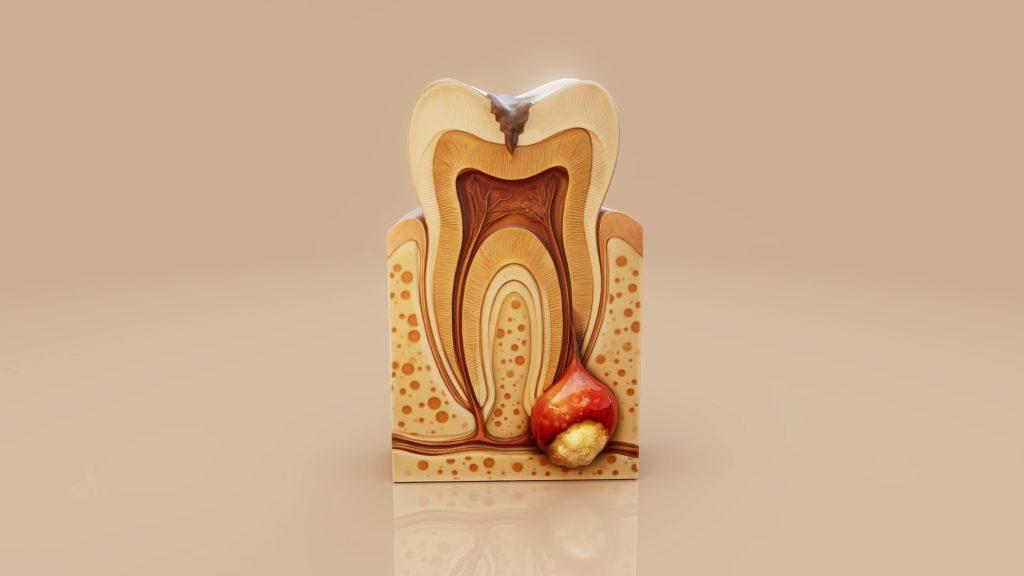
Inside every tooth, there’s a soft tissue called the pulp. This pulp contains nerves and blood vessels, and it helps the tooth develop when you’re younger. But once a tooth is fully grown, it can survive without the pulp because it still gets support from the surrounding tissues.
A root canal becomes necessary when the pulp gets infected or damaged. This can happen due to deep cavities, repeated dental work on the same tooth, cracks, trauma, or untreated decay. When bacteria reach the inner part of the tooth, infection can spread quickly, leading to pain and sometimes even an abscess.
Signs you might need a root canal
Not every tooth infection hurts right away, which is why dental checkups are important. Still, many people notice symptoms such as:
Sharp pain while chewing or biting
Long-lasting sensitivity to hot or cold
A pimple-like bump on the gum near the tooth
Swollen or tender gums
Tooth discoloration
A lingering ache that comes and goes
If you experience any of these signs, it’s best to get evaluated early. The sooner an infected tooth is treated, the easier it is to save it.
Why saving the tooth is always the goal
A root canal helps keep your natural tooth in place. That’s a big deal because your natural teeth maintain your bite balance, support your jawbone, and prevent neighboring teeth from shifting. Removing a tooth might seem like a quick fix, but it often leads to other treatments down the line, such as bridges or implants.
Root canal treatment is designed to stop infection, eliminate pain, and protect the tooth for the long term.
What happens during the procedure?
A root canal is usually done in one or two visits, depending on the condition of the tooth. The process generally includes:
Examination and imaging
Your dentist checks the tooth and takes scans to see how far the infection has spread.
Numbing the area
Local anesthesia is used so the procedure is comfortable. Most people say it feels similar to getting a filling.
Cleaning the infected pulp
A small opening is made in the tooth, and the infected pulp is removed carefully.
Shaping and disinfecting
The inside canals are cleaned, disinfected, and shaped to prepare for sealing.
Filling and sealing the tooth
The empty space is filled with a safe material and sealed to block bacteria.
Restoring the tooth
In many cases, a crown is recommended afterward to strengthen the tooth and prevent fractures.
Does a root canal hurt?
This is one of the biggest worries people have, but modern root canals are designed to relieve pain, not cause it. Most of the discomfort people associate with root canals actually comes from the infection before treatment.
After the procedure, it’s normal to feel mild soreness for a day or two, especially when chewing. This can typically be managed with regular pain relief medication and avoiding hard foods on that side for a short time.
Recovery and aftercare tips
To heal smoothly and protect the tooth, here are a few simple tips:
Avoid chewing on the treated tooth until the final restoration is placed
Stick to softer foods for the first day
Maintain brushing and flossing gently
Don’t skip your follow-up appointment if a crown is needed
Call your dentist if swelling or pain increases instead of improving
How long does a root canal last?
With proper care, a root canal-treated tooth can last many years, and in many cases, a lifetime. The key factors are good oral hygiene, regular dental visits, and completing the final restoration like a crown if your dentist recommends it.
Root canal care in Olive Branch, Columbus
If you live near Olive Branch in Columbus, getting root canal treatment close to home can make the entire experience easier and less overwhelming. Having access to timely dental care means you don’t have to wait for pain to worsen. A professional evaluation can confirm what’s happening and help you choose the best solution—whether that’s a root canal or another treatment option.
Final thoughts
A root canal isn’t something to fear—it’s a tooth-saving treatment that can stop infection and bring real relief. If you’ve been dealing with tooth pain, sensitivity, or swelling, it’s worth getting checked before the problem spreads. The earlier you act, the better the outcome is likely to be, and the sooner you can get back to eating, smiling, and feeling comfortable again.